Professional Cleaning in Pimlico

Pimlico Cleaners provides professional cleaning in Pimlico with a practical focus on the rooms, surfaces and finishes that matter most in everyday homes and workplaces. Our main service covers routine domestic cleaning, deeper scheduled cleans and targeted tasks such as kitchens, bathrooms, floors and high-touch areas. The aim is straightforward: to help keep spaces orderly, presentable and easier to manage without turning the process into a complicated arrangement.
Different properties call for different approaches, so our work can be shaped around the condition of the space and the type of finish involved. We clean with attention to detail rather than broad promises, using methods suited to common household and office surfaces. If you are comparing options, clear scope matters as much as timing. You can request a quotation once you have an idea of what needs attention, and the rest can be discussed in plain terms.
For many customers, the first decision is whether the job is best treated as a regular visit, a one-off visit or a more intensive clean. That choice depends on how the space is used, how much upkeep it needs and whether there are any problem areas that need additional care. A well-planned clean should address the visible finish as well as the details that affect hygiene and appearance, from skirting boards to fixtures and fittings.
Domestic cleaning for regular upkeep
Domestic cleaning is often the most useful option for homes that need steady upkeep rather than a single deep intervention. In practical terms, that usually means cleaning surfaces that collect everyday dust and residue, keeping floors fresh, and staying on top of the kitchen and bathroom areas that see the heaviest use. The work can be arranged to suit the scale of the property, whether that is a compact flat or a larger family home.
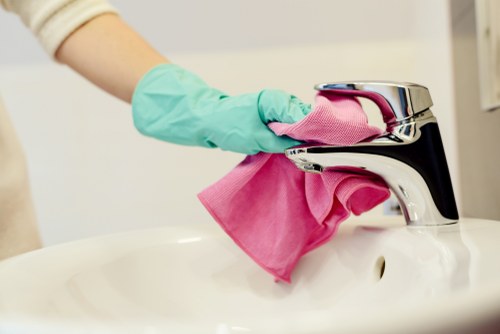
Regular household cleaning is most effective when the tasks are clearly prioritised. A sensible visit might cover dusting accessible surfaces, vacuuming or sweeping floors, wiping worktops, cleaning sinks and taps, and refreshing visible touchpoints such as door handles and switches. We keep the emphasis on dependable routine tasks, because consistency often matters more than trying to do everything in a single visit. Domestic cleaning is a good fit when you want a straightforward, repeatable service.
Many customers also prefer to think in terms of rooms rather than a generic checklist. That can help separate essential work from occasional extras. For example, a kitchen clean may concentrate on grease-prone areas, appliance exteriors and splashbacks, while a bathroom clean may focus on limescale, fittings and sanitary surfaces. A regular service should leave the property feeling orderly, but it should also be realistic about what can be completed well within the time available.
Deep cleaning and one-off refreshes

Deep cleaning is more detailed than an ordinary maintenance visit and is better suited to spaces that have built up dirt over time or have simply not had a thorough clean recently. It often involves more careful attention to edges, corners, fittings, behind-accessible areas and the surfaces that may be missed in weekly upkeep. This type of service can be useful before a change in occupancy, after a long gap between cleans or whenever the overall condition needs a fuller reset.
A one-off clean can be organised around the parts of the property that most need work. That might include removing built-up grime from kitchen surfaces, refreshing bathroom areas, wiping accessible internal fixtures or giving living spaces a more complete tidy-through. Deep cleaning is usually the better choice where presentation alone is not enough and the details need more deliberate treatment. It can also be combined with targeted room priorities rather than treated as a fixed, identical package.
One-off cleaning is useful for customers who do not need recurring visits but still want the benefits of a concentrated clean. Some properties need occasional support after entertaining, seasonal changes or periods when normal housekeeping has slipped. The work should be planned with a realistic view of condition and access, because the aim is a meaningful improvement rather than a vague promise that every surface will be restored to new.
Kitchen, oven and bathroom detail work
Kitchens and bathrooms often determine how clean a property feels overall, which is why detailed attention in these rooms makes a noticeable difference. In kitchens, that may mean tackling splash marks, worktops, cupboard fronts, sinks and visible grease build-up around everyday cooking areas. In bathrooms, the priorities are usually sanitary surfaces, taps, showers, tiles and the removal of common water marks or residue from fittings.
Where grime is concentrated, detail work can be more effective than a general sweep. Oven cleaning focuses on one of the most demanding domestic tasks, especially where baked-on deposits affect both appearance and day-to-day use. An oven clean is usually most helpful when the appliance has not been fully attended to for some time and the internal surfaces need more specialist care than a standard kitchen wipe-down can provide.
Oven cleaner is also an option for customers who want that specific task separated from the wider kitchen visit. The same practical thinking applies to bathrooms: a targeted approach makes it easier to concentrate on limescale, soap residue and other marks that accumulate on polished fixtures. For the rest of the kitchen and bathroom work, a clear brief helps ensure the right amount of time is spent where it will have the greatest visible effect.
Floorcare, carpets and soft furnishings

Floor and fabric cleaning need careful treatment because different materials respond differently to moisture, agitation and cleaning products. Hard floors may require the removal of fine dust and dulling residue, while carpets and upholstery call for attention to fibres, spots and embedded dirt. The aim is not to use the same method everywhere, but to choose an approach that suits the material and preserves the finish as much as possible.
Hard floor cleaning is useful for surfaces that need a more considered clean than simple mopping or sweeping can provide. Depending on the floor type, the work may be aimed at restoring a brighter appearance, removing accumulated residue and making routine maintenance easier afterwards. The correct method matters because some floors tolerate more intensive treatment than others, and a good clean should always respect the characteristics of the material.
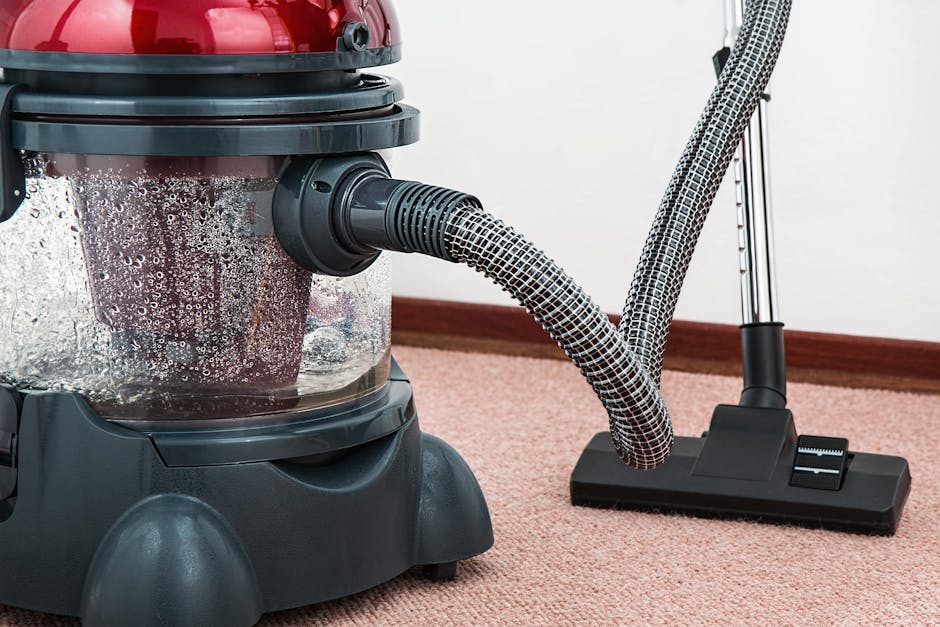
Soft furnishings need a different kind of care again. Carpet cleaning, rug cleaning, sofa cleaning and upholstery cleaning can all be relevant where fabric surfaces have gathered dust, marks or everyday wear. Some items benefit from localised treatment, while others are better handled as a full-piece clean. A sensible plan looks at the fabric, the level of soiling and the role the item plays in the room, rather than assuming one process fits all.
After builders and end of tenancy work
After builders cleaning is usually needed when a property has been altered, repaired or refurbished and there is fine dust, trade residue or surface debris to clear. This type of work tends to be more exacting than standard domestic cleaning because it must deal with the aftermath of construction activity as well as normal dirt. The most important task is often to remove dust safely and thoroughly from ledges, floors, fittings and other surfaces where particles settle.
After builders cleaning is a sensible choice when the work is nearing completion and the property needs a proper finish before it is used again. The job often involves close attention to details that can be overlooked, such as paint specks, fine dust around trims and residue on hard surfaces. A careful clean can make the space feel ready for occupation or presentation without overstating what can be achieved in a single visit.
End of tenancy cleaning has its own priorities because the standard is usually measured against the condition in which the property is handed over. End of tenancy cleaning generally needs a broader sweep across rooms, appliances, bathrooms and floors so that the property is left in a presentable state. Where the aim is to prepare for the next occupant, a structured clean is often more effective than trying to make ad hoc improvements in isolated areas.
Homes, offices and larger premises
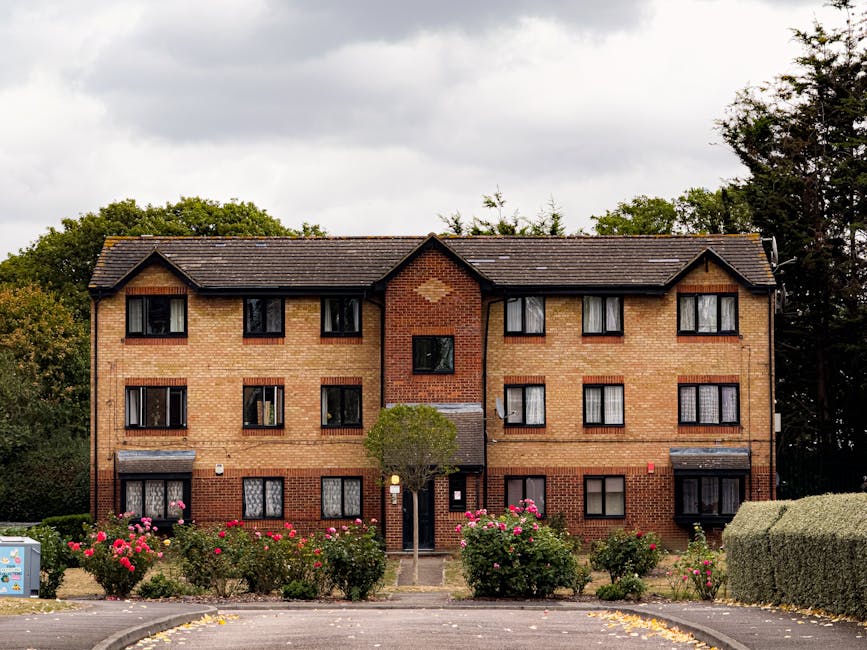
Not every cleaning job looks the same, and the setting can change the way the work is planned. Homes often need flexibility around personal belongings, surfaces and routines, while offices require attention to shared spaces, desks, circulation areas and facilities that see frequent use. The practical approach is to identify the main contact points and visible finishes first, then build the clean around those priorities in a logical order.
Office cleaning is suited to workplaces that need a tidy, presentable environment without interrupting daily activity more than necessary. Shared kitchens, meeting areas, reception spaces and washrooms can all need regular attention, especially where staff and visitors move through the same spaces repeatedly. Office cleaners is a useful page to review if you need a service focused on workplace upkeep rather than domestic routines.
For households, the equivalent support can be found through house cleaning and home cleaners, both of which point to everyday upkeep across the rooms that matter most. Some properties benefit from a more flexible, generalist approach, which is where cleaners and cleaner can help describe a broader service arrangement. If you need a more structured provider profile, cleaning company offers another route into the same core service area.
Pricing factors and what shapes a quotation
Cleaning prices are usually shaped by practical factors rather than a single fixed formula. The size of the property, the type of rooms involved, the level of soiling, the frequency of the service and any specialised tasks all influence the scope of the work. A regular upkeep visit is usually different from a one-off deep clean, and a fabric or appliance task needs more specific planning than a simple surface refresh.
When you ask for a quotation, it helps to think in terms of what should be cleaned, how often the service is needed and whether there are any items that need particular attention. That may include ovens, carpets, upholstery, floors, bathrooms or post-build dust. A clear brief makes it easier to match the work to the right service page, including pricing and quotes where you want to understand the next step before making contact. Please share the key details and we can talk through the most suitable scope.
If a property contains mixed needs, it is often better to separate the essential tasks from the optional ones. That way the clean stays focused and practical rather than drifting into an unfocused list. You do not need to overcomplicate the request: room type, approximate scale and any obvious problem areas are usually enough to start. A concise enquiry is often the quickest route to an accurate estimate, and it leaves room to adjust the plan if needed.
Other helpful service pages
Some customers prefer to compare a few related services before deciding what to book. That can be sensible when a property needs more than one kind of attention or when the best match is not immediately obvious. For example, a household that needs seasonal support might combine maintenance cleaning with a deeper room-by-room clean, while a workplace might want a regular cleaning arrangement alongside more specific floor or window tasks.
Where the work is focused on exterior or specialised surfaces, window cleaning and facade cleaning may be relevant, although they are naturally different from internal housekeeping. For messier or more demanding clearance situations, house clearance is also listed on the site, but it serves a distinct purpose from cleaning and should be considered separately. More general page references such as carpet cleaner, carpets cleaner, carpet cleaning and cleaners are useful if you are comparing the site’s main service categories.
Useful choices usually come down to the result you want and the amount of attention the property needs. If the emphasis is on routine upkeep, a domestic service may be the best fit. If the emphasis is on a stronger reset, a deep or one-off clean is often more appropriate. If the focus is one room or item, a specialist page can provide the best starting point. The key is to select the service that reflects the job in front of you rather than trying to force every need into the same category.
About Pimlico

Pimlico is a largely residential district in central London, known for its ordered street layout, stucco terraces and late Georgian and early Victorian character. The area was developed in the nineteenth century on land once associated with the Grosvenor estate, and it retains a distinctive grid of garden squares and garden-enclosed streets that gives the neighbourhood a calm, formal feel. Much of the architecture is presented in pale render, which is part of the visual identity that makes the district immediately recognisable. Pimlico also sits close to the River Thames, with the river edge and nearby embankment shaping the wider setting even when the streets themselves feel relatively enclosed. The neighbourhood includes a mix of residential uses, local shops and institutional buildings, and it lies within the City of Westminster. Eaton Square, Chester Square and other nearby garden squares are often cited for their elegant proportions, while the surrounding streets show the rhythm of terraces, mews and small-scale urban planning typical of the period. The area’s transport links have long made it well connected, but it still feels distinct from busier commercial parts of the West End. St George’s Square and the surrounding streets contribute to its character, as do the more modest residential rows that sit away from the better-known squares. Pimlico’s scale, architecture and central position give it a strong identity that is both historic and everyday, combining formal nineteenth-century planning with a lived-in city neighbourhood atmosphere.
How to arrange the right clean
Once you know the main task, arranging a clean is usually straightforward. Start with the type of service, then add the rooms, surfaces or items that need attention. If the property has a strong priority such as an oven, carpets, an end of tenancy reset or post-building dust, mention that first so the work can be scoped correctly. It is also helpful to note whether the property is regularly maintained or has not been cleaned in some time.
For larger or more varied jobs, a short written summary can be enough to avoid confusion. That summary might cover access, any fragile finishes, the main rooms involved and whether the priority is hygiene, presentation or both. You can also state whether the work is for a home, office or another type of premises. If you need to move ahead, contact us and ask for a quotation based on the service that best fits your space.
We aim to keep the process clear and practical from the outset, so you can compare the likely scope without unnecessary back-and-forth. Whether the need is a routine clean, a deep refresh or a specialist task, the most useful next step is to define what matters most in the property. From there, the service can be matched to the work rather than the other way around. Request a quotation when you are ready and keep the brief focused on the job itself.