Health and Safety Policy for Pimlico Cleaners
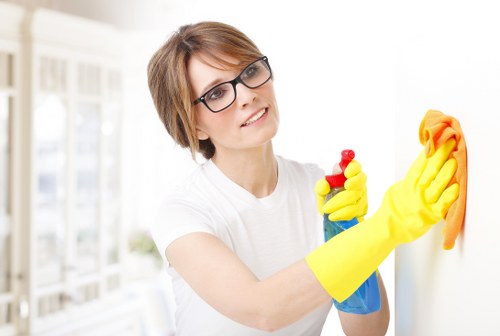 At Pimlico Cleaners, health and safety is a core responsibility that supports our people, our clients, and the quality of every cleaning service we provide. This policy sets out the principles we follow to maintain a safe working environment, reduce preventable harm, and make sure every cleaner works with care, consistency, and confidence. We believe that a well-managed cleaning safety policy is essential for protecting staff, safeguarding property, and delivering professional results.
Our approach is based on simple but important values: risk awareness, clear communication, proper training, and sensible planning. Every task should be carried out with attention to safety, whether it involves routine office cleaning, specialist surface care, or waste handling. By promoting safe systems of work, Pimlico Cleaners aims to prevent accidents before they happen and ensure that standards remain high across all duties.
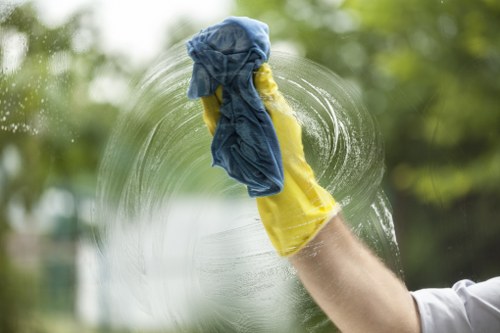 This policy applies to all employees, supervisors, temporary workers, and anyone carrying out work on behalf of Pimlico Cleaners. We expect everyone to take reasonable care of their own health and safety and that of others who may be affected by their actions. Safety is a shared responsibility, and every team member is expected to follow safe procedures, use equipment properly, and report hazards without delay.
Our Health and Safety Commitments
Pimlico Cleaners is committed to providing a safe workplace, safe equipment, and clear working arrangements. We aim to identify hazards early, assess the level of risk, and apply practical controls that reduce exposure. This includes making sure cleaning products are used correctly, work areas are organised, and staff understand how to handle tools and equipment responsibly.
We also recognise that cleaning work can involve repetitive movement, slips, trips, falls, manual handling, and contact with substances that may irritate the skin or eyes. To manage these risks, our cleaners' safety procedures include regular supervision, appropriate personal protective equipment, and sensible task planning. Where work conditions change, we review the risks and update controls as needed.
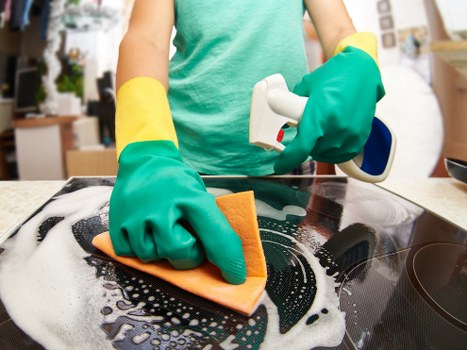 We encourage a culture where safety concerns are raised early and treated seriously. No task should be started if it appears unsafe, and no worker should feel pressured to continue if proper precautions are not in place. If a hazard cannot be removed immediately, it must be controlled in a way that reduces the risk to an acceptable level.
Training, Supervision, and Safe Working Practices
Training and competence
All staff receive relevant health and safety information before beginning work and additional instruction where their role requires it. Training covers the safe use of chemicals, manual handling techniques, correct lifting methods, equipment checks, and emergency actions. We want every member of the team to feel prepared, informed, and capable of working safely.
Supervisors play an important role in maintaining standards. They monitor work practices, check that equipment is suitable and in good condition, and support staff in following safe procedures. If a cleaner is unsure how to complete a task safely, they are expected to stop and seek guidance. Good supervision helps prevent mistakes, reinforces best practice, and supports consistent service quality.
Housekeeping is also part of safety. Cleaning materials must be stored correctly, access routes should remain clear, and wet floors need to be marked or managed to reduce slipping risks. Careful preparation and tidiness are especially important when work is carried out in busy environments or shared spaces where others may be present.
Equipment, Chemicals, and Risk Control
We use equipment that is suitable for the task and maintained to a good standard. Before use, staff should check for visible damage, loose parts, or faults that could create danger. Any item that is not safe to use must be taken out of service and reported. Using the right tool for the job is one of the simplest ways to reduce unnecessary risk.
Cleaning chemicals must be handled with care and used according to the instructions provided. Products should never be mixed unless specifically authorised, and containers must be labelled clearly. Safe chemical management includes using the correct dilution, ensuring adequate ventilation, and wearing appropriate protection when required. Staff should avoid direct contact where possible and wash hands after handling substances.
Risk assessments guide our decision-making and help us choose the right controls for each task. These assessments consider the working area, the type of surface being cleaned, the equipment involved, and the presence of other people. Where additional precautions are needed, they are built into the task plan so that work can be completed safely and efficiently.
Incidents, Reporting, and Emergency Response
Accidents, near misses, and unsafe conditions must be reported as soon as possible so they can be reviewed and addressed. Prompt reporting helps prevent repeat incidents and supports continual improvement. We encourage an open reporting culture in which issues are recorded without blame and handled with practical action.
In the event of an emergency, staff should follow the agreed procedures, remain calm, and act in a way that protects themselves and others. This may include isolating a hazard, leaving the area if required, and seeking assistance through the proper internal channels. Preparedness saves time and reduces harm, so emergency expectations are reviewed as part of our safety arrangements.
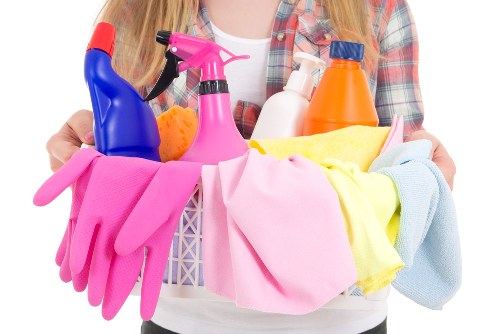 We also expect staff to take extra care when working around electricity, sharp objects, broken glass, or unknown substances. If a situation seems unfamiliar or dangerous, it must be treated cautiously until the risk is understood. No cleaning task is more important than the wellbeing of the person carrying it out.
Monitoring and Continuous Improvement
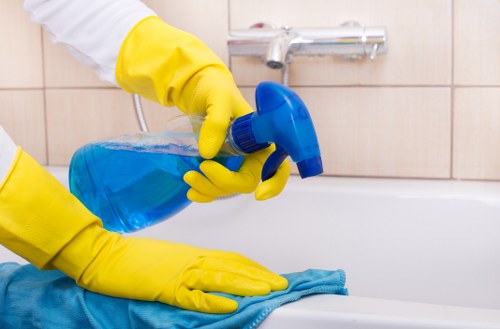 Pimlico Cleaners reviews health and safety performance regularly to make sure our policy remains effective and relevant. Monitoring may include workplace checks, incident reviews, feedback from supervisors, and updates to working methods. This helps us improve standards over time and maintain a proactive approach to safety.
Where improvements are identified, they are implemented as soon as reasonably practicable. This may involve revised instructions, better equipment, refreshed training, or improved storage and handling practices. Continuous improvement is essential because safe cleaning depends on adapting to changing tasks, environments, and client expectations.
Ultimately, our aim is to create a workplace where safety is understood, respected, and embedded into everyday work. By following this policy, Pimlico Cleaners supports a dependable, professional, and responsible service while protecting the people who make that service possible.