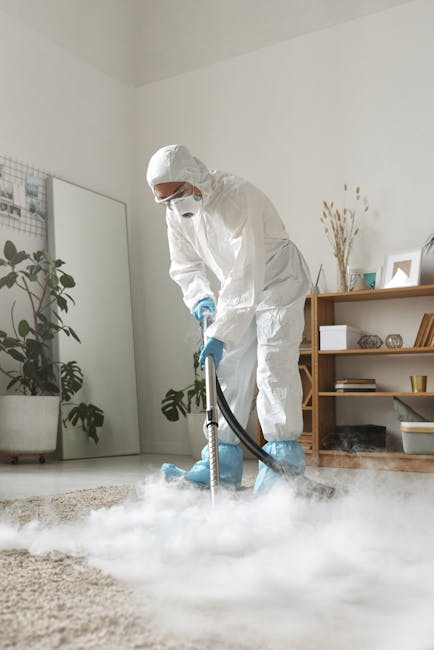
Compare carpet cleaning vs steam in Pimlico shops
If you run a shop in Pimlico, carpet care is one of those jobs that quietly affects everything. The entrance looks fresher, the air feels cleaner, customers notice less grit underfoot, and staff are not constantly staring at the same stained patch near the till. When people compare carpet cleaning vs steam in Pimlico shops, they are usually trying to answer a very practical question: which method gets the best results without disrupting trading?
The short answer is that both methods can be useful, but they are not the same thing. Traditional carpet cleaning usually means hot water extraction or a low-moisture professional clean with detergent and rinse. Steam cleaning is often used as a shorthand for high-heat cleaning, but in practice it may mean different equipment and different levels of moisture. That distinction matters a lot in shops, especially where foot traffic, display layouts, and opening hours leave very little room for mistakes.
This guide breaks the comparison down in plain English. You will see where each method works best, what risks to watch for, how to choose the right option for your shop, and what good practice looks like in a busy Pimlico setting. No fluff. Just the stuff that helps you make a better call.
- Why the comparison matters
- How each method works
- Key benefits and practical advantages
- Who it is for and when it makes sense
- Step-by-step guidance
- Expert tips for better results
- Common mistakes to avoid
- Tools, resources and recommendations
- Law, compliance, standards, or best practice
- Options, methods, or comparison table
- Case study or real-world example
- Practical checklist
- Conclusion
- Frequently asked questions
Why Compare carpet cleaning vs steam in Pimlico shops Matters
Shops are not domestic rooms. That sounds obvious, but it changes everything. A living-room carpet can dry slowly without much drama. A shop carpet, on the other hand, has to survive repeated footfall, occasional spillages, trolley wheels, wet umbrellas, winter salt, and the odd bit of packaging debris that appears by magic around 9 a.m. on a Monday. If you get the cleaning method wrong, the impact is immediate: slippery patches, lingering damp, flattened fibres, or stains that come back after drying.
In Pimlico, many retail premises also have limited back-of-house space, narrow entrances, or mixed flooring at the threshold. That means the cleaning method has to fit the building as much as the carpet itself. Compare carpet cleaning vs steam in Pimlico shops, and the real question is not just "which is stronger?" It is "which method suits this carpet, this traffic pattern, and this trading schedule?"
That is where a careful comparison pays off. The wrong method can waste time and money. The right one can extend carpet life, reduce odours, and make a shop feel more welcoming at the exact moment customers decide whether to step inside or keep walking.
Expert summary: if your shop carpet sees frequent spillages or deep-set grime, professional carpet cleaning is often the safer all-round option. Steam-style cleaning can be useful in some circumstances, but only when the carpet type, backing, drying conditions, and operational downtime all line up properly.
How Compare carpet cleaning vs steam in Pimlico shops Works
To compare the methods properly, it helps to understand what each one actually does.
Traditional carpet cleaning
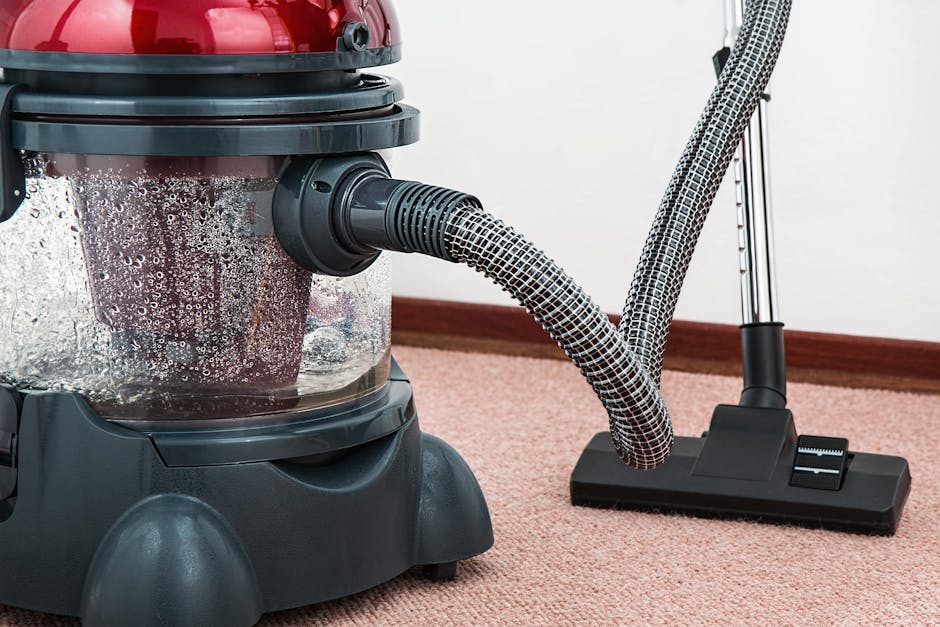
In a commercial setting, carpet cleaning usually involves a pre-treatment, agitation, hot water extraction, and controlled drying. The detergent loosens dirt from the fibres, the cleaning head lifts it out, and the rinse removes residue. This approach is widely used because it targets embedded soil, drink marks, grease from shoes, and the general grey look that appears over time in entrance areas.
It is also adaptable. A cleaner can focus on high-traffic zones, spot-treat stubborn marks, and adjust the method for different pile heights. For shops, that flexibility is a real advantage.
Steam cleaning
Steam cleaning sounds simple, but in carpet care the term is used loosely. Sometimes it means true steam, sometimes it means hot water extraction equipment that uses heat and moisture, and sometimes people use it to describe any heated clean. In practice, the aim is the same: break down soil with heat and remove it. The catch is that not all carpets, adhesives, or underlays respond well to very high heat or excessive moisture.
So, if someone asks whether steam is better, the honest answer is: better for what, exactly? A light refresh on a suitable carpet may be fine. A heavily used Pimlico shop entrance with old stains and no room for long drying times? That is a different story.
What changes in a shop environment
Commercial premises need faster turnaround, predictable drying, and minimal disruption. Staff may be setting up displays while one corner is still damp. Customers may be walking through before the carpet has fully settled. And if the carpet retains too much moisture, you risk odour and re-soiling. Dirt sticks to damp fibres much more readily than to dry ones. Annoying, but true.
That is why the method itself matters less than the system around it: pre-inspection, correct chemistry, moisture control, airflow, and realistic timing.
Key Benefits and Practical Advantages
Each method has strengths. The smart move is to match the method to the outcome you want.
| Factor | Carpet cleaning | Steam-style cleaning |
|---|---|---|
| Deep dirt removal | Strong, especially for compacted soil and traffic lanes | Can be effective, but depends on heat, moisture, and equipment quality |
| Drying time | Usually more predictable when done well | May be quick in theory, but not always if moisture is high |
| Stain handling | Good for targeted pre-treatment and extraction | Good for some organic marks, less reliable on older or greasy stains |
| Suitable for busy shops | Yes, especially with sectional cleaning | Sometimes, if the carpet and schedule allow it |
| Risk of over-wetting | Lower when controlled properly | Can be higher if the process is not managed carefully |
| General appearance boost | Very strong on tired, flattened carpet | Can refresh, but may not lift the look as much on heavily used areas |
One practical advantage of proper carpet cleaning is consistency. In a shop, consistency matters more than a flashy one-off result. You want the entrance to look decent on a wet Wednesday, not just on the day after the clean.
Steam-style methods can still have a place, especially for maintenance on suitable fibres or where a light refresh is all that is needed. But in commercial premises, the biggest win usually comes from choosing the method that dries properly and removes embedded grime, not the method that sounds the most impressive.
And yes, plenty of business owners make the mistake of chasing the word "steam" because it sounds powerful. Powerful is nice. Practical is better.
Who This Is For and When It Makes Sense
This comparison is useful for a wide mix of Pimlico shop owners and managers:
- independent retailers with customer-facing carpets at the entrance
- boutiques with fitted carpet or carpet tiles
- cafes and takeaway counters with carpeted seating zones
- salons, clinics, and studios where presentation matters as much as hygiene
- small offices above shops that want one cleaner plan for the whole space
- landlords or managing agents preparing a unit for a new tenant
If your shop carpet has only light dusting and the occasional mark, steam-style refreshes may be enough between deeper cleans. If the fibres are matted, stained, or marked by months of footfall, you will usually get better value from a more robust carpet cleaning approach. The same goes for entrance mats that have stopped doing their job and started holding onto grime like a grudge.
For premises with multiple fabric surfaces, it can make sense to combine carpet care with other services such as deep cleaning, upholstery cleaning, or even window cleaning if you want the whole shop to look sharper before a promotion or seasonal rush.
If you are already planning broader maintenance, some businesses also bundle carpet care with office cleaning or a one-off service visit, which can be a neat way to avoid multiple disruptions. Not glamorous, but efficient.
Step-by-Step Guidance
If you are trying to decide between carpet cleaning and steam for a shop in Pimlico, use this process. It keeps the choice grounded in reality rather than marketing talk.
- Identify the carpet type. Check whether it is wool, synthetic, blended, carpet tile, or something more delicate. Heat tolerance varies a lot.
- Inspect traffic and stain patterns. Entrance lanes, till areas, and queue points usually need stronger treatment than low-use corners.
- Think about drying time. Can the space be left alone long enough, or do staff need to work around it immediately?
- Check for moisture-sensitive features. Some adhesives, underlays, thresholds, and nearby finishes dislike excess water.
- Decide what outcome matters most. Is this a light refresh, a stain-removal job, or a serious reset?
- Choose the method that matches the goal. In many cases, professional carpet cleaning is the safer, more reliable option for shops.
- Plan the timing. Early morning, after closing, or during a quiet trading window often works best.
- Allow proper airflow. Open internal doors where possible and use fans if appropriate. Drying is half the job, truth be told.
- Re-check after drying. Look for any wicking, patchiness, or remaining marks once the fibres are fully dry.
A quick example: a Pimlico clothes shop with pale carpet near the fitting rooms may only need a controlled maintenance clean every few weeks, but the doorway area could need a more intensive process because of street grit. The best answer might not be one method for the whole premises. It might be a mix. That is fairly common.
Expert Tips for Better Results
Here are the things that make a real difference in commercial carpet care. Small details, big payoff.
- Use pre-treatment properly. That first step loosens the dirt so extraction can do its job.
- Work in sections. This helps with drying and keeps the shop usable.
- Do not chase soaking-wet carpet. More water is not more clean. It just creates problems later.
- Ventilate early. A bit of airflow prevents that heavy, stale damp smell that nobody wants near a till.
- Test delicate areas first. Edge zones and hidden corners tell you a lot about how the carpet will react.
- Use proper spotting methods. Different stains need different treatment. Coffee is not the same as oil. Obvious, but easy to ignore in a rush.
- Protect the entrance afterwards. Clean matting and a sensible maintenance routine keep results visible for longer.
If you manage several premises, it is worth asking whether your cleaner follows documented health and safety practices. A professional provider should also be clear about insurance and how they manage risk around electrical equipment and wet floors. For that side of things, a page like insurance and safety can be useful reading before you book anything substantial.
You can also review the business's approach to health and safety if you want reassurance around wet-floor control, access management, and working around customers or staff.
Common Mistakes to Avoid
A surprising number of carpet problems come from avoidable choices, not bad carpets.
- Choosing steam because it sounds modern. The best method is the one that suits the carpet and dries properly.
- Ignoring the carpet construction. Some fibres and backings are less forgiving than others.
- Cleaning too late. Once traffic soil becomes embedded, the job gets harder and more expensive.
- Over-wetting entrances. High footfall and too much moisture are a bad pairing.
- Forgetting about drying time. It is not just a practical issue. It affects appearance and safety too.
- Using one approach for every stain. Spotting should be targeted, not guesswork.
- Skipping post-clean checks. A clean that looks great while damp can reveal new problems after drying.
One little human habit causes trouble more often than people think: the "it'll probably be fine" approach. Sometimes it is fine. Often, not really.
If you want cleaner results with fewer headaches, plan the job as a system rather than a one-off blast of hot water. That mindset usually saves time in the long run.
Tools, Resources and Recommendations
You do not need to be a carpet technician to make a sensible decision, but it helps to know what good work looks like.
Useful tools and materials:
- commercial carpet extractor or professional hot water extraction machine
- appropriate pre-spray or traffic-lane treatment
- spotting agents matched to the stain type
- microfibre towels for quick blotting and edge control
- air movers or fans where safe and suitable
- protective signs for wet areas
Useful service pages for related needs:
- carpet cleaning for routine or deep fibre care
- rug cleaning if your shop uses decorative rugs or entrance runners
- hard floor cleaning for mixed flooring at the front of the premises
- office cleaning if your shop has a back office or upstairs workspace
- pricing and quotes if you are comparing options before booking
It is also sensible to know who you are dealing with. A trustworthy cleaning company should explain the method, the expected drying time, and any access needs before work starts. You should not have to guess. If anything feels vague, ask. A decent provider will welcome that.
Law, Compliance, Standards, or Best Practice
For shop owners, the compliance angle is mostly about safety, reasonable care, and competent working practices. There is no need to overcomplicate it, but ignoring it would be a mistake.
In practice, you want to think about:
- slip risk from damp carpet or over-wet entry points
- safe access so staff and customers are not walking through active cleaning zones
- equipment safety around cables, power sources, and wet surfaces
- product suitability for the carpet material and surrounding finishes
- insurance and accountability in case something goes wrong
Best practice in the UK usually means using trained cleaners, clear risk awareness, and sensible scheduling. If a shop has public access, the process should be planned around trading hours so the clean does not create avoidable hazards. That is just good business, really.
For more on the provider side, the pages on terms and conditions and payment and security can help set expectations before you commit. If you care about the company's broader working standards, about us is also worth a look, especially if you want to know how they present their service and values.
For premises that also need post-refurbishment or post-fit-out attention, after builders cleaning may be relevant, because fine dust and construction residue can affect carpet performance in a way that looks like ordinary dirt but behaves differently. It gets everywhere. It really does.
Options, Methods, or Comparison Table
Here is the simplest way to think about the choice.
| Scenario | Better fit | Why |
|---|---|---|
| Heavy foot traffic near a shop entrance | Professional carpet cleaning | Better for soil removal and fibre recovery |
| Light refresh on a suitable carpet | Steam-style method | Can be enough if the carpet is compatible and drying is controlled |
| Delicate carpet or mixed materials | Professional carpet cleaning with testing | More control over chemistry and moisture |
| Short downtime window | Depends on equipment and process | Drying and extraction quality matter more than the label |
| Visible traffic lanes and stains | Professional carpet cleaning | More reliable for restoration and appearance |
| Maintenance between deeper cleans | Steam-style refresh or low-moisture maintenance | Can help keep the carpet presentable without overdoing it |
There is also a middle ground: combining routine maintenance with periodic deep cleaning. That is often the most sensible model for Pimlico shops. A light clean keeps the look respectable, while a deeper clean resets the fibres before dirt becomes stubborn. Not exciting, but very effective.
Case Study or Real-World Example
Here is a realistic shop scenario, based on the kind of problem many Pimlico businesses run into.
A small retail shop with carpeted customer paths near the entrance notices that the carpet looks dull even after daily vacuuming. The front section has darkened from shoe soil, and one area near the till has a faint tea stain that keeps reappearing. Staff are worried about drying time because the shop opens early the next day.
At first glance, steam seems attractive. Quick. Neat. Modern-sounding. But after inspection, the carpet has a mixed synthetic construction and a fairly compact pile, plus the entrance catches a lot of street moisture in winter. A careful carpet cleaning approach with pre-treatment, targeted agitation, and controlled extraction is the safer choice. The cleaner works in sections, uses airflow to assist drying, and leaves the shop ready with far less risk of lingering damp. The stain may still need a second spot treatment, but the overall look improves properly rather than just briefly.
What mattered most here was not the fashionable label. It was drying control, fibre response, and the need to keep the shop usable. That is the kind of decision that saves headaches later.
Practical Checklist
Use this before booking any shop carpet clean:
- Have I identified the carpet fibre and backing?
- Do I know where the worst traffic lanes are?
- Are there any stains that need special treatment?
- Can the shop stay clear long enough for safe drying?
- Is there a risk of moisture affecting nearby fixtures or flooring?
- Have I chosen the method based on results, not just the word "steam"?
- Has the provider explained the process clearly?
- Do I know what to expect for drying and re-entry?
- Have I checked insurance and safety information?
- Do I want to combine the clean with other services for a fuller refresh?
If you can answer most of those with confidence, you are in much better shape already. A five-minute check can save you from a very awkward wet-floor moment later in the day.
Get a free quote today and see how much you can save.
Conclusion
When you compare carpet cleaning vs steam in Pimlico shops, the winner is usually the method that best balances cleanliness, drying time, carpet safety, and day-to-day trading needs. Steam-style cleaning can be useful for light refresh work on suitable carpets, but commercial premises often benefit more from controlled professional carpet cleaning because it is more predictable and more adaptable.
The real goal is not simply to make the carpet look wet and temporarily tidy. It is to leave the shop cleaner, safer, and easier to maintain over time. That is especially important in a place like Pimlico, where presentation matters and customers notice the small details whether we like it or not.
If you take one thing from this guide, let it be this: choose the process that suits the carpet, the traffic, and the schedule. The right clean should make life easier, not harder. Simple as that.
And when the shop smells fresher, the fibres sit back up, and the floor finally looks like part of a welcoming business again, you will notice the difference straight away. It's a good feeling.
Frequently Asked Questions
Is steam cleaning better than carpet cleaning for shops?
Not automatically. Steam-style cleaning can work well for light maintenance on suitable carpets, but professional carpet cleaning is often better for heavy traffic, visible soil, and shop environments where drying time matters.
Will steam cleaning dry faster in a Pimlico shop?
Sometimes, but not always. Drying depends on how much moisture is used, the carpet type, airflow, room temperature, and how much soil has been removed. A badly managed steam job can still leave carpet damp for longer than expected.
Which method is safer for delicate carpet in a retail unit?
Usually professional carpet cleaning with careful testing is safer, because the process can be adjusted for fibre type, backing, and moisture sensitivity. Delicate materials do not love surprises.
Can both methods remove coffee and food stains?
Yes, but success depends on how old the stain is, what caused it, and whether it has already set into the fibres. Fresh stains are always easier. Old ones can be stubborn, a bit like that one mark you keep meaning to sort.
How often should a shop carpet be cleaned?
That depends on footfall, location, weather exposure, and the type of shop. High-traffic stores often need regular maintenance and occasional deeper cleaning, while quieter premises may need less frequent attention.
Does steam cleaning damage carpet tiles?
It can if too much heat or moisture is used, or if the adhesive and backing are not suitable. That is why a proper inspection matters before any method is chosen.
What should I ask before booking carpet cleaning for my shop?
Ask about the cleaning method, expected drying time, insurance, access requirements, product suitability, and whether the company can work around opening hours. Clear answers are a good sign.
Can I clean a shop carpet during trading hours?
Sometimes, but only if the area can be safely sectioned off and the drying plan is realistic. Many shops prefer early morning, after-hours, or quieter trading windows to keep disruption low.
What if my shop has both carpet and hard flooring?
That is very common. In those cases, it can make sense to combine carpet care with hard floor cleaning so the whole customer area looks consistent.
Is professional cleaning worth it for a small Pimlico shop?
Usually yes, because small spaces show dirt quickly. A clean entrance or sales area can change how the whole shop feels, and it may last longer than a DIY attempt that only treats the surface.
Where can I get help choosing the right service?
You can review service details such as carpet cleaning, explore broader deep cleaning options, or check the provider's contact page if you want to ask about your specific shop layout and schedule.